Overdose Awareness
What is an Overdose?
An overdose is the condition of the body when it is exposed to an unsafe amount of a substance and cannot function normally. Anyone can misuse substances, whether they were prescribed or not, and find themselves at risk for an overdose regardless of gender, weight, age, etc.
What Increases the Risk of an Overdose?
Mixing Substances
Mixing substances with other substances can put you at higher risk for overdose. People often think that using a stimulant (upper) and a depressant (downer) together will cancel the effects — this is not true. It may increase your risk because your body has to process more substances.
Mixing with Alcohol
Mixing substances with alcohol also increases the risk of an overdose. If you choose to use both, ensure you are taking the substances or opioids before the alcohol.
Using After a Break
Using after a period of non-use or less-use — such as after being in prison, completing detox or treatment in hospital — increases risk due to the change in your tolerance.
Method of Use
Depending on the way the substance is taken – oral or injection (intravenous, intramuscular, or below the skin). IV drug use causes the substance to enter the blood stream faster and increases the risk of an overdose.
Depressants
Opioids
What Are Opioids?
Opioids are a group of drugs/substances that relieve pain and increase your feeling of pleasure. Opioids can be made from a poppy plant (for example, Morphine) or they can be made in a lab (for example, Fentanyl). Some common opioids are: Codeine, Heroin, Fentanyl, Oxycodone, Methadone, & Hydromorphone.
When you use opioids, they pass through blood into the brain where they attach to brain cells to reduce pain and increase pleasure. At lower doses, opioids may make you sleepy, but high doses slow your breathing and heart rate, and may cause death. Feelings of pleasure from taking opioids may make you want to continue and may lead to addiction.
12
people die from an opioid overdose every day in Canada
Naloxone
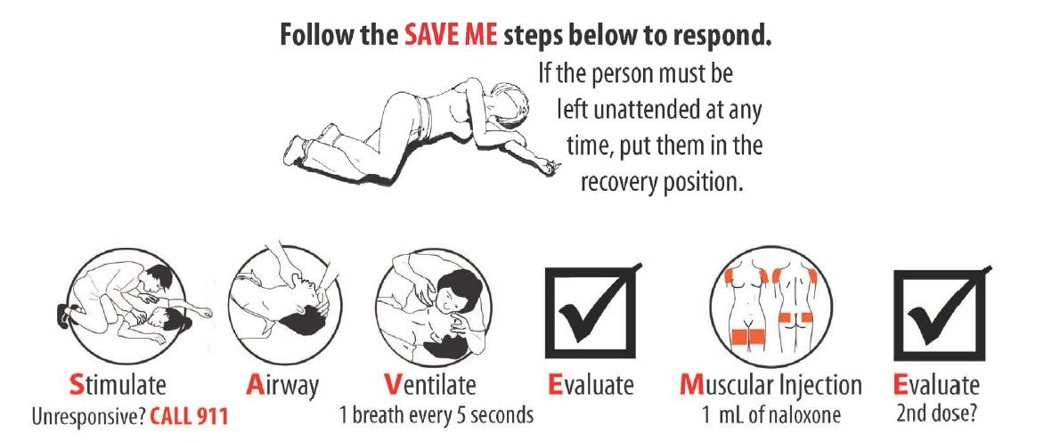
Naloxone (also known as Narcan) is the temporary antidote to an opioid overdose. It is scientifically proven to reverse the effects quickly (within 5–10 minutes). It is not a narcotic, is non-addictive, and has no effects if opioids are not present. Naloxone will not work in an upper or Crystal Meth overdose, but it will not hurt the person.
With a little bit of training, anyone can use Naloxone to save a life. Training and Take Home Naloxone kits are available for free at our office on a drop-in basis. If you would like a group training, please contact our Education Coordinator at 306-924-8420.
Recognizing an Opioid Overdose
A person overdosing on an opioid may show the following symptoms:
- The person cannot stay awake, walk, or talk
- Slow or absent breathing, snoring, or gurgling
- Less than 10–12 breaths per minute (a breath every 5 seconds is normal)
- Slow or absent pulse
- Blue lips or nails
- Body is limp or unresponsive
- Vomiting
- Tiny pupils
Good Samaritan Drug Overdose Act
Saving a life is the highest priority during an opioid overdose and there is a law in place to protect those who choose to help.
The Good Samaritan Drug Overdose Act applies to anyone seeking emergency support during an overdose, including the person experiencing an overdose. The Act protects the person who seeks help, whether they stay or leave from the overdose scene before help arrives. The Act also protects anyone else who is at the scene when help arrives.
The Act can protect you from:
- Charges for possession of a controlled substance (i.e. drugs) under section 4(1) of the Controlled Drugs and Substances Act
- Breach of conditions regarding simple possession in: pre-trial release, probation orders, conditional sentences, and parole
The Act does not protect against:
- Outstanding warrants
- Production and trafficking of controlled substances
- All other crimes not outlined within the Act
Uppers
Stimulants
What Are Stimulants?
Stimulants (Uppers) are a group of drugs/substances that make a person feel more alert and energetic. Some common stimulants are: Crystal Meth, Cocaine, Ritalin, & Ecstasy.
When you use stimulants, they increase the activity of the brain chemicals dopamine and norepinephrine. Dopamine is involved in the reinforcement of rewarding behaviors. Norepinephrine affects blood vessels, blood pressure and heart rate, blood sugar, and breathing. At lower doses, stimulants cause your heart rate and breathing to speed up, but high doses can cause a dangerously high body temperature, an irregular heartbeat, heart failure, and seizures. The “rush” (euphoria) from taking stimulants may make you want to continue and may lead to addiction.
Recognizing Stimulant Overdoses
A person overdosing on a stimulant may show the following symptoms:
- Rapid breathing and/or heart beat
- Chest pains
- The person cannot stay awake
- Seizures or convulsions
- Dizziness
- Muscle cramps
- Sweating, often with chills
- Dehydration
- The person is aggressive, anxious, or paranoid
- Foaming at the mouth
Call 9-1-1
- Having seizures
- Having a heart attack or chest pains
- Not breathing
- A risk to themselves or others
If Conscious:
- Encourage the person to rest but do not force them. If the person wants to walk, stay with them.
- Apply a cool compress to their head, checking their pulse often and ensuring they are breathing.
If Unconscious:
- Perform CPR if the person has stopped breathing or does not have a pulse.
- If the person is having seizures, clear space around them and put them into the recovery position.
Stimulant
Crystal Meth
Although Crystal Meth is a stimulant, overdose symptoms are different than other stimulants.
Recognizing Crystal Meth Overdoses
A person overdosing on Crystal Meth may show the following symptoms:
- Red face
- Rapid heartbeat
- Rapid breathing and/or eye movement
- The person is aggressive, anxious, or extremely paranoid
- Hallucinations
- Fever
- Sweating heavily
- Shaking or trembling
- Stroke or heart attack
Call 9-1-1
- Having seizures
- Having a heart attack or chest pains
- Not breathing
- A risk to themselves or others
If Conscious:
- Encourage the person to rest but do not force them. If the person wants to walk, stay with them.
- Apply a cool compress to their head, checking their pulse often and ensuring they are breathing.
If Unconscious:
- Perform CPR if the person has stopped breathing or does not have a pulse.
- If the person is having seizures, clear space around them and put them into the recovery position.